Gutter Blockage Removal in Morris County, NJ
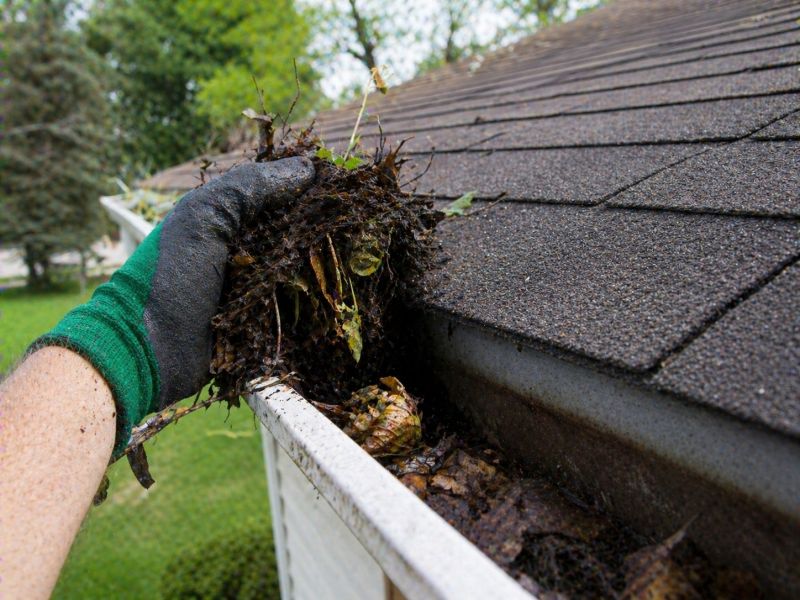
Gutter blockage removal services focus on clearing debris such as leaves, twigs, and dirt that can accumulate in gutters and downspouts. These blockages can hinder proper water flow, potentially leading to water damage, foundation issues, or basement flooding. Projects typically involve inspecting the entire gutter system, removing obstructions, and ensuring that water can drain freely away from the property. Homeowners often seek this service to maintain the integrity of their roofing and prevent costly repairs caused by water buildup.
Before requesting gutter blockage removal, property owners usually want to understand the scope of the service, including whether the entire gutter system will be checked and cleaned, and if any repairs are necessary afterward. It’s also helpful to know if the service includes inspecting for potential damage or leaks that may require additional attention. Clarifying these details can ensure that the gutters are thoroughly cleared and functioning properly to protect the home during heavy rains.
Many property owners in Morris County, NJ look into Gutter Blockage Removal for repairs, replacements, upgrades, and appearance-related improvements.
Common Causes Of Gutter Blockages
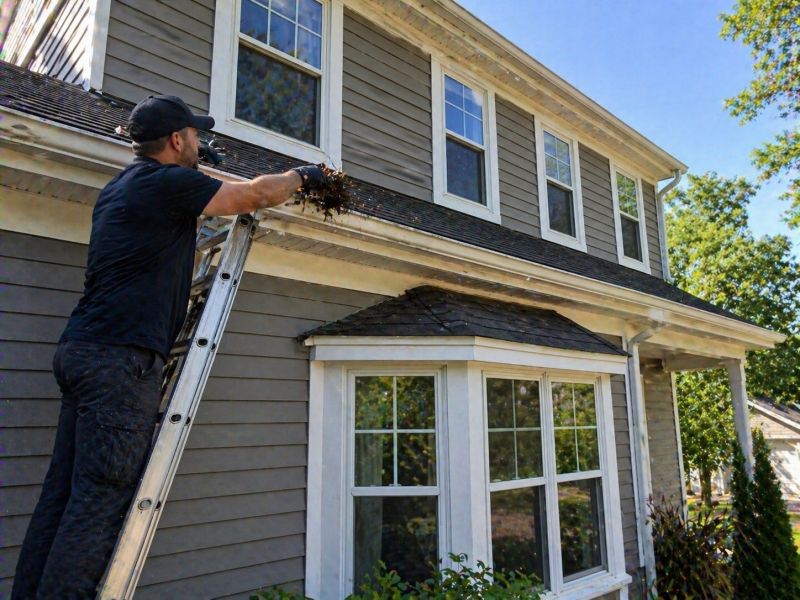
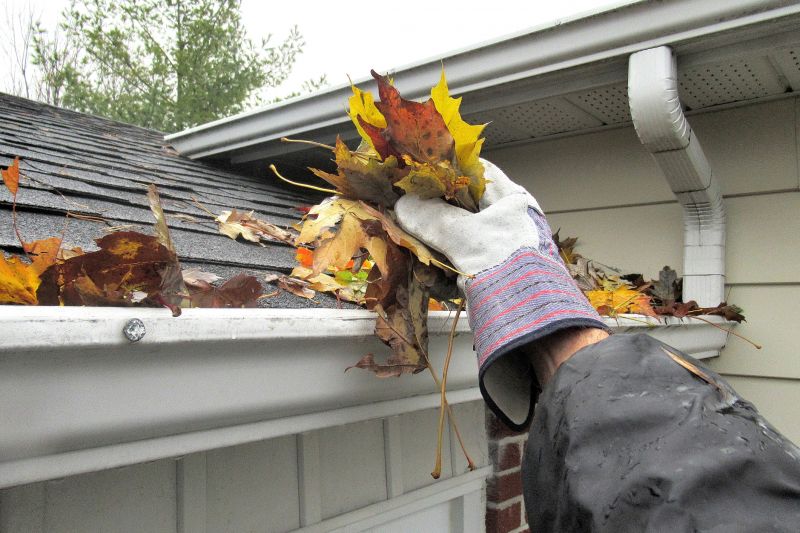
Leaves, twigs, and debris often cause clogs in residential gutters around morris county.
Signs Of Gutter Obstruction
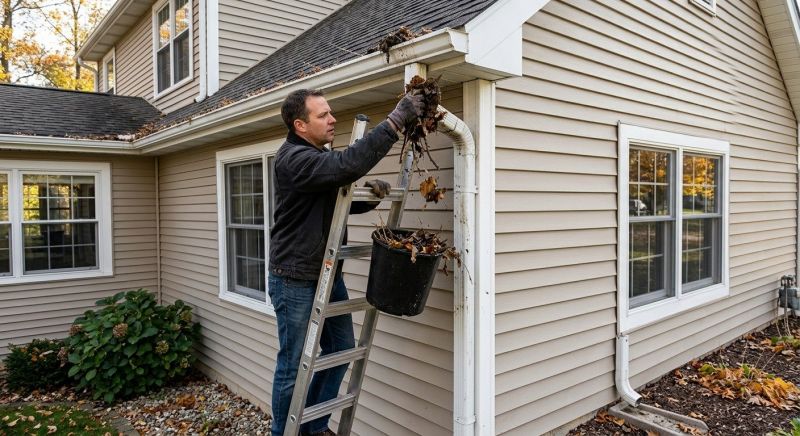
Overflowing water and sagging gutters can indicate blockages that need attention.
Benefits Of Professional Removal
Removing obstructions helps prevent water damage and maintains proper drainage for homes in morris county.
Gutter Blockage Removal in Morris County, NJ

Gutter blockage removal services focus on clearing debris such as leaves, twigs, and dirt that can accumulate in gutters and downspouts. These blockages can hinder proper water flow, potentially leading to water damage, foundation issues, or basement flooding. Projects typically involve inspecting the entire gutter system, removing obstructions, and ensuring that water can drain freely away from the property. Homeowners often seek this service to maintain the integrity of their roofing and prevent costly repairs caused by water buildup.
Before requesting gutter blockage removal, property owners usually want to understand the scope of the service, including whether the entire gutter system will be checked and cleaned, and if any repairs are necessary afterward. It’s also helpful to know if the service includes inspecting for potential damage or leaks that may require additional attention. Clarifying these details can ensure that the gutters are thoroughly cleared and functioning properly to protect the home during heavy rains.
Many property owners in Morris County, NJ look into Gutter Blockage Removal for repairs, replacements, upgrades, and appearance-related improvements.
Common Gutter Blockage Removal Jobs
Gutter Cleaning - removal of debris to ensure proper water flow and prevent overflow.
Clog Removal - clearing blockages caused by leaves, twigs, and dirt inside gutters.
Downspout Clearing - unblocking downspouts to prevent water backup and damage.
Gutter Flushing - rinsing gutters to remove dirt buildup and verify drainage effectiveness.
Debris Removal - safely extracting leaves and debris from gutters and surrounding areas.
Gutter Inspection - checking for damage or obstructions that could cause future blockage.
Gutter Blockage Removal Questions
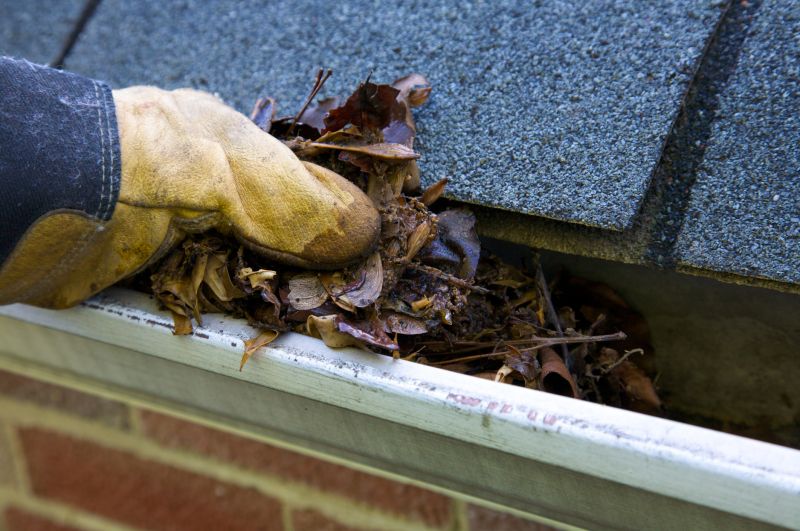
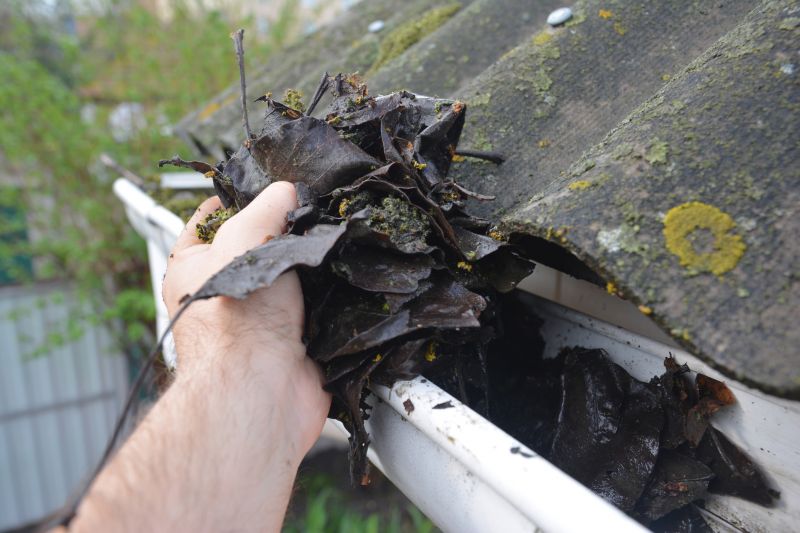
What causes gutter blockages? Common causes include leaves, twigs, and debris buildup that obstruct water flow and cause backups.
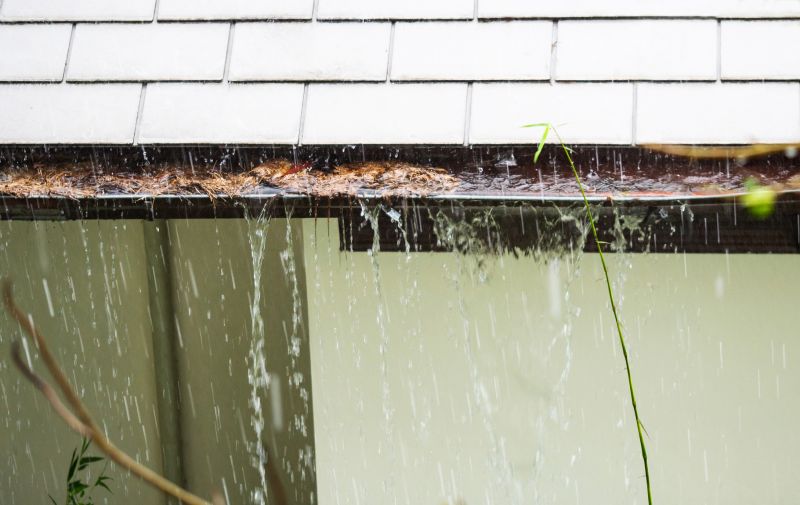
How can I tell if my gutters are clogged? Signs include overflowing water, sagging gutters, and water damage on the fascia or foundation.
What are the risks of leaving gutter blockages untreated? Blockages can lead to water damage, mold growth, and pest infestations around the property.
What methods are used to remove gutter blockages? Techniques typically involve manual cleaning, debris removal, and flushing to ensure clear water flow.
Request Gutter Blockage Removal in Morris County, NJ
Use the quote form on this page to share the basics of your project and request more information for the type of work you need.